Julio Weckmann

UX/UI Designer

Creating Intuitive Digital Experiences Through User Research & Data-Driven Design & Recent BSUXD Graduate

about me

Profile or personal photo
Creative workspace or desk setup image

I'm a UX/UI Designer who discovered my passion for design through an unexpected path: spending years listening to users struggle with technology.

While working in Support and Workforce Management, I noticed a pattern. The same issues came up repeatedly. The same confusion. The same frustration. And often, it wasn't the user's fault—it was the design.

That realization changed everything.

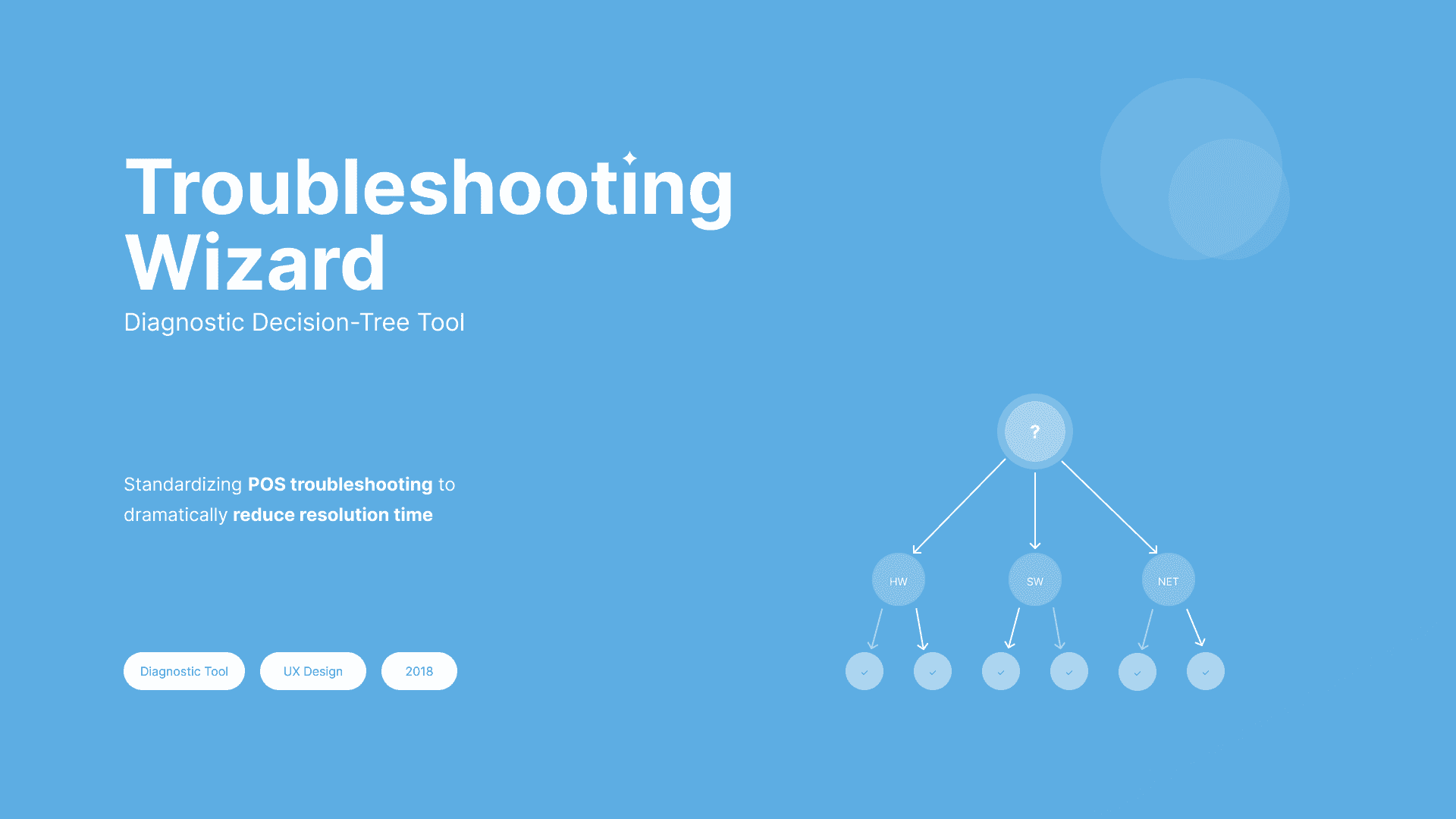
I started asking different questions: Why do users get stuck here? What if we reorganized this flow? How can we make this feel intuitive? Those questions led me to design my first solution—a diagnostic tool that reduced customer resolution time by 30%. Suddenly, I wasn't just solving problems reactively; I was preventing them proactively through better design.

That's when I knew I'd found my calling.

TID BITS
Pin icon image

01

Recent Work

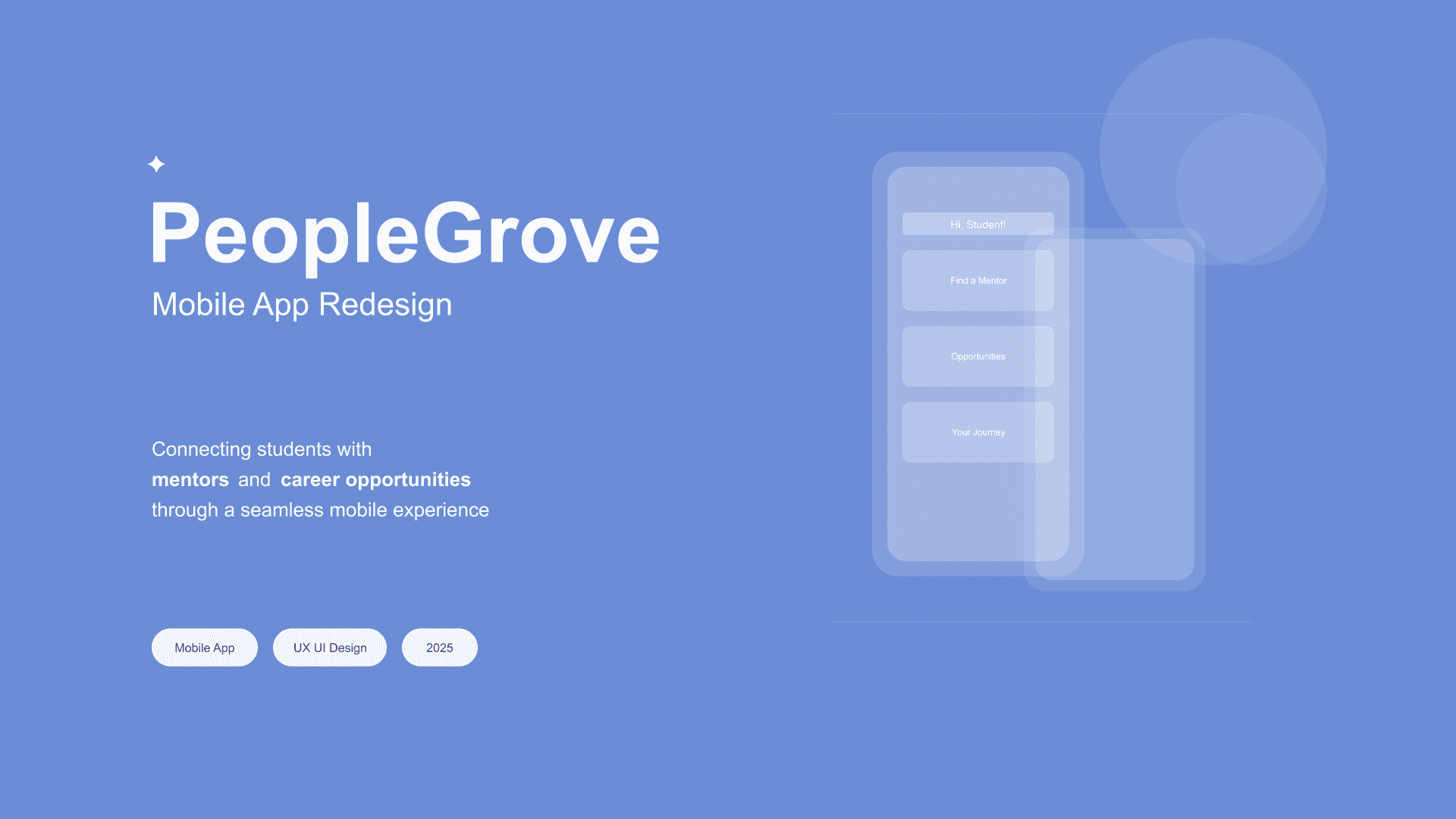
For my capstone project, I redesigned PeopleGrove's mobile experience, reducing task completion time by 80% through user-centered design.

Pin icon image

01

Recent Work

For my capstone project, I redesigned PeopleGrove's mobile experience, reducing task completion time by 80% through user-centered design.

Pin icon image

02

What Drives Me

I believe great design should be invisible. Users shouldn't notice the interface—they should just accomplish their goals effortlessly.

Pin icon image

02

What Drives Me

I believe great design should be invisible. Users shouldn't notice the interface—they should just accomplish their goals effortlessly.

Pin icon image

03

What I Bring to Design

My background gives me a unique advantage: I've conducted thousands of unintentional user interviews. Every support call was a research session. Every confused customer was teaching me about pain points, mental models, and user expectations.

Pin icon image

03

What I Bring to Design

My background gives me a unique advantage: I've conducted thousands of unintentional user interviews. Every support call was a research session. Every confused customer was teaching me about pain points, mental models, and user expectations.

Pin icon image

04

What I'm Looking For

A UX/UI or Product Designer role where I can contribute to meaningful products, learn from experienced designers, and grow my craft.

Pin icon image

04

What I'm Looking For

A UX/UI or Product Designer role where I can contribute to meaningful products, learn from experienced designers, and grow my craft.

testimonials

Julio has a remarkable ability to self-discover his own areas of opportunity and provide options and ideas that can aid him in overcoming hurdles that he may face or have faced. His positive attitude and willingness to go the extra mile were highly appreciated by both colleagues and clients.
James Smith

Senior Technical Drafter

Experience

Logo representing work experience

Aura

Tech Support Analyst

2024 - Present

Logo representing work experience

Aura

Tech Support Analyst

2024 - Present

Logo representing work experience

SimonMed Imaging

Workforce Management Analyst

2022 - 2024

Logo representing work experience

SimonMed Imaging

Workforce Management Analyst

2022 - 2024

Logo representing work experience

GrubHub

Workforce Management Analyst

2021 - 2022

Logo representing work experience

GrubHub

Workforce Management Analyst

2021 - 2022

Logo representing work experience

ADP

Tech Support Analyst

2018 - 2021

Logo representing work experience

ADP

Tech Support Analyst

2018 - 2021

stacks & skills

Logo representing used tools or platforms

Framer

Web Design
Logo representing used tools or platforms

Framer

Web Design
Logo representing used tools or platforms

Photoshop

Image Editing
Logo representing used tools or platforms

Photoshop

Image Editing
Logo representing used tools or platforms

Figma

Visual Design
Logo representing used tools or platforms

Figma

Visual Design
Logo representing used tools or platforms

Webflow

No-code Development
Logo representing used tools or platforms

Webflow

No-code Development
Logo representing used tools or platforms

Zoom

Meetings
Logo representing used tools or platforms

Zoom

Meetings
Logo representing used tools or platforms

Notion

Planning
Logo representing used tools or platforms

Notion

Planning

frequently asked questions

You have a technical support background. Why are you transitioning to UX design now?

I didn't realize I was doing UX work until I was already doing it. When I designed the troubleshooting wizard at Lavu, I thought I was just making my job easier—but I was conducting user research, creating information architecture, wireframing flows, and testing with users. The moment I realized this was my path was when I saw the impact: 30% reduction in resolution time and agents telling me it gave them confidence. I'd solved a real problem for real people through design. That felt more meaningful than anything I'd done before. So I formalized it by getting my degree in UX Design. The transition isn't really a transition—it's an evolution. I've been solving user problems my whole career; now I'm doing it with better tools and deeper expertise.

You just graduated in January 2026. What makes you think you're ready for a product design role with limited formal design experience?

While I'm a recent graduate, I bring something most new designers don't: six years of daily exposure to users struggling with poorly designed systems. I've essentially conducted thousands of user interviews—every support call taught me about pain points, mental models, and user expectations. That built an instinct for anticipating UX issues that's hard to teach. My academic training gave me the frameworks and methodology, but my real-world experience gave me the user empathy. Together, they make me more effective than I would be with either one alone. I've already proven I can deliver measurable impact—30% efficiency gains, 80% task time reductions, $200K+ in savings. I'm realistic that I have much to learn about design craft and working at scale, but I know how to identify real user problems and design solutions that work.

You have limited visual design experience. How would you handle designing high-fidelity mockups for a complex product feature?

You're right that visual design is an area where I'm still developing my skills. My strength is in the strategic thinking—user research, information architecture, interaction design, understanding complex workflows. For visual execution, I'd love to explain more on a call.

Where do you see yourself in 3-5 years?

In 3-5 years, I see myself as a senior product designer who's shipped multiple products with measurable impact. I want to deepen my craft—getting stronger at visual design, motion, and design systems—while also developing strategic skills like shaping product roadmaps and mentoring junior designers.

frequently asked questions

You have a technical support background. Why are you transitioning to UX design now?

I didn't realize I was doing UX work until I was already doing it. When I designed the troubleshooting wizard at Lavu, I thought I was just making my job easier—but I was conducting user research, creating information architecture, wireframing flows, and testing with users. The moment I realized this was my path was when I saw the impact: 30% reduction in resolution time and agents telling me it gave them confidence. I'd solved a real problem for real people through design. That felt more meaningful than anything I'd done before. So I formalized it by getting my degree in UX Design. The transition isn't really a transition—it's an evolution. I've been solving user problems my whole career; now I'm doing it with better tools and deeper expertise.

You just graduated in January 2026. What makes you think you're ready for a product design role with limited formal design experience?

While I'm a recent graduate, I bring something most new designers don't: six years of daily exposure to users struggling with poorly designed systems. I've essentially conducted thousands of user interviews—every support call taught me about pain points, mental models, and user expectations. That built an instinct for anticipating UX issues that's hard to teach. My academic training gave me the frameworks and methodology, but my real-world experience gave me the user empathy. Together, they make me more effective than I would be with either one alone. I've already proven I can deliver measurable impact—30% efficiency gains, 80% task time reductions, $200K+ in savings. I'm realistic that I have much to learn about design craft and working at scale, but I know how to identify real user problems and design solutions that work.

You have limited visual design experience. How would you handle designing high-fidelity mockups for a complex product feature?

You're right that visual design is an area where I'm still developing my skills. My strength is in the strategic thinking—user research, information architecture, interaction design, understanding complex workflows. For visual execution, I'd love to explain more on a call.

Where do you see yourself in 3-5 years?

In 3-5 years, I see myself as a senior product designer who's shipped multiple products with measurable impact. I want to deepen my craft—getting stronger at visual design, motion, and design systems—while also developing strategic skills like shaping product roadmaps and mentoring junior designers.

contact

I’m always open to new opportunities, collaborations, or a conversations about design. If you have an idea in mind or want to connect, feel free to get in touch.

© All rights reserved – Julio Weckmann

© All rights reserved – Julio Weckmann

© All rights reserved – Julio Weckmann